
Process
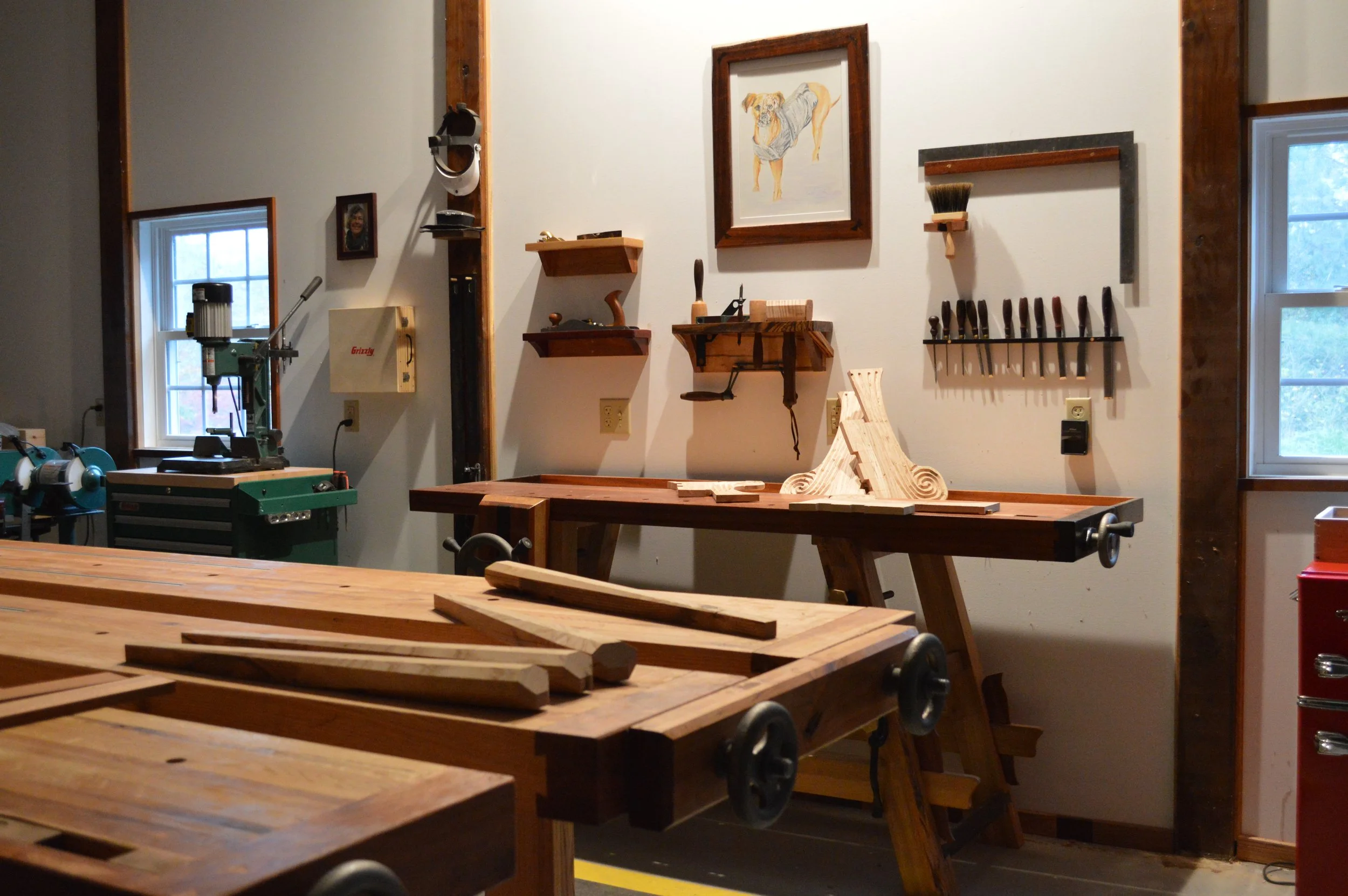
At Bespoke I want you to have the opportunity to be be as involved in the creation of your individual pieces as much as you desire. To be part of the process of their creation so that our combined vision can come to life in a way that produces furniture that you will be proud to pass down as a heirloom. So let me introduce you to some concepts and ideas used in the creation of your unique pieces.
Concepts
-
Textures
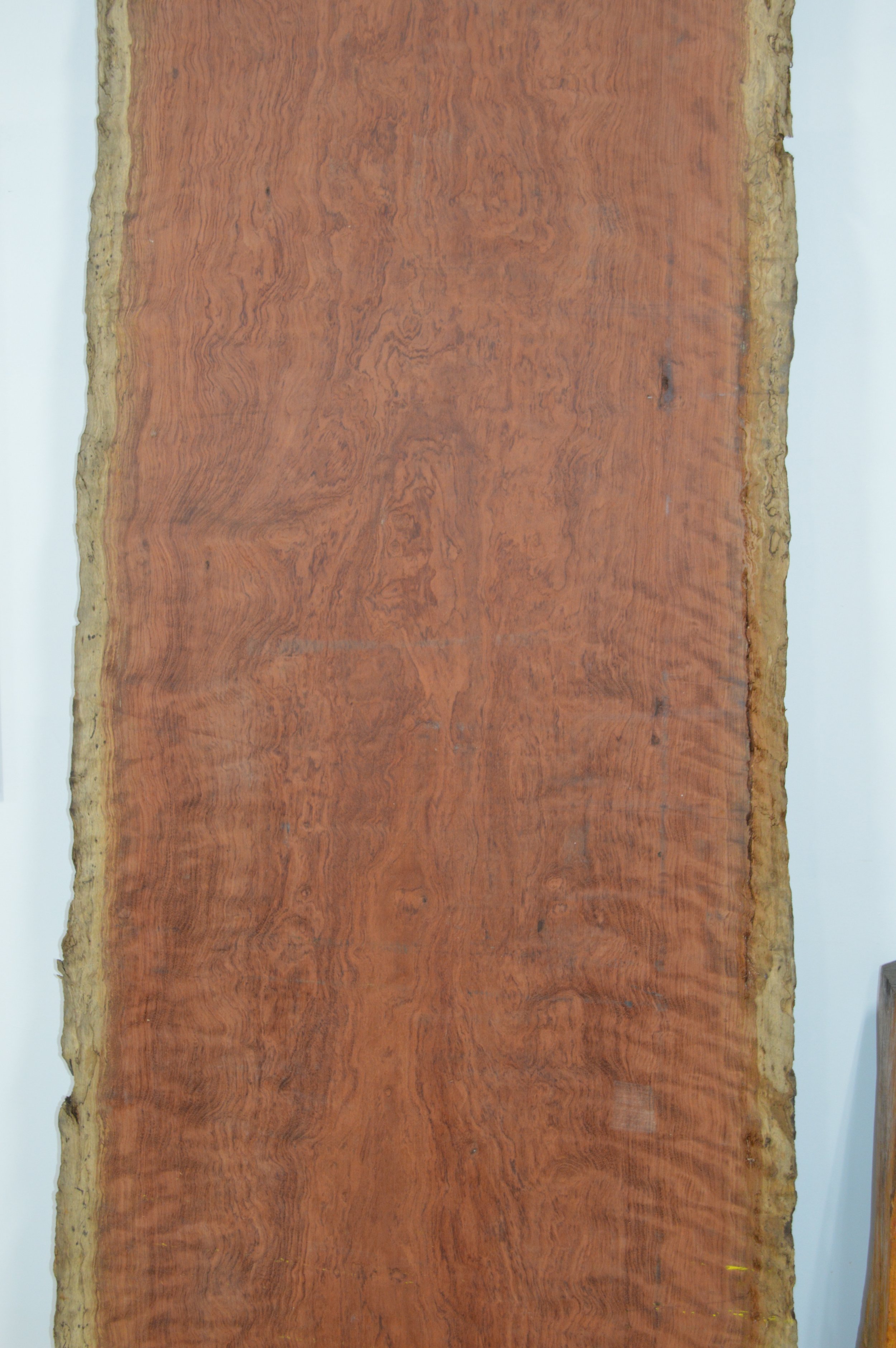
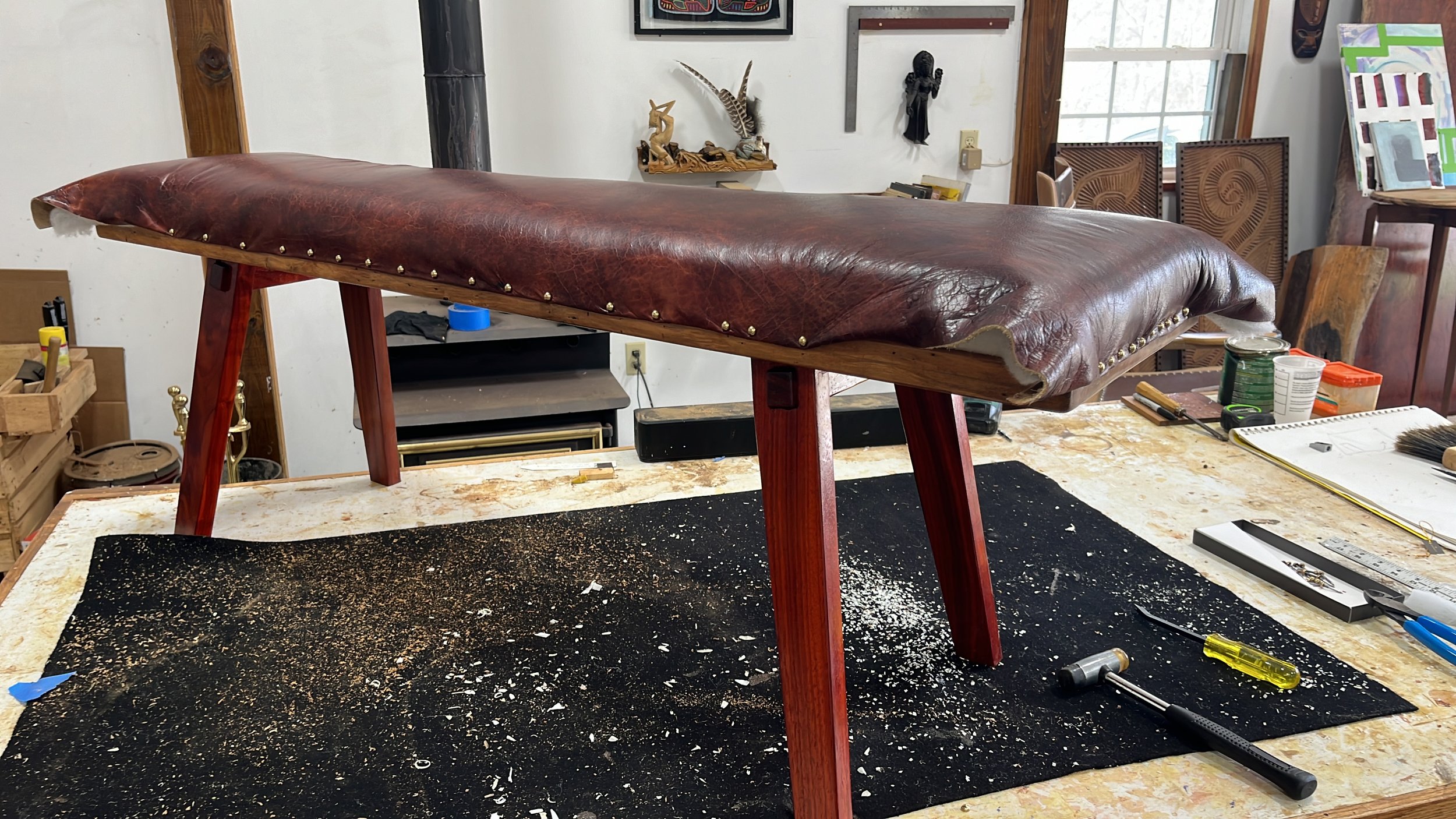
We can view texture in a few ways and they tend to focus on the visual and tactile senses when used in common. Visual textures usually denoted by pattern or pattern-like regularity, while solids tend to be considered flat. Tactile textures are one of our natural mode of interacting with the physical world tied to one of our five senses. So an element that can be interacted with in both realms of texture would be of greater inherent potential value. Thus if an object can reach the heights of that value it would become a lifelong fixture in a life. For instance in the realm of furniture upon which we spend every day in such as a chair, is not a chair that is of specific comfort to you that also is of high visual enjoyment/beauty some thing that one would ideally wish to acquire.
Thus part of the process that Bespoke aims to accomplish is to personally customize each piece for its owners particular taste in not only form but also its visual textures to not only be pleasing to their eye but also to fit in the surroundings of that client’s space.
So where does that leave us? I suppose we should look around ourselves at the furniture that surrounds us and ask, is that texturally pleasing in both senses to us? And if not, I suppose it is time to start changing that.
-
Materials
Have you ever handled an antique table and found that the tabletop wiggled? One might be prone to think that it has loosened over all the years and that’s just the way it is now. However often that is not the case, for with the use of solid hardwoods and softwoods aspects like expansion and contraction had to be taken into consideration especially with the changes in temperature and humidity through the seasons. Therefore more often than not that wiggle was built in for the piece of wood to have room to expand and contract through those seasons without the tabletop cracking due to the stresses of being forced into place with hard connections.
With the use of modern materials our expectations of furniture has changed as well as how we often make it. We now seem to take it for granted that a table should not wiggle and if it does it might be defective. This is largely in part due to changes in the materials we use, plywood is layered in order to give it stability in expansion and contraction as are particle boards for instance. These are wonderful uses of materials and waste, however, they tend to have a simple flaw, durability. They are more easily corruptible over time and more prone to damage and thus within the furniture industry writ large many pieces are built to last for five to ten years.
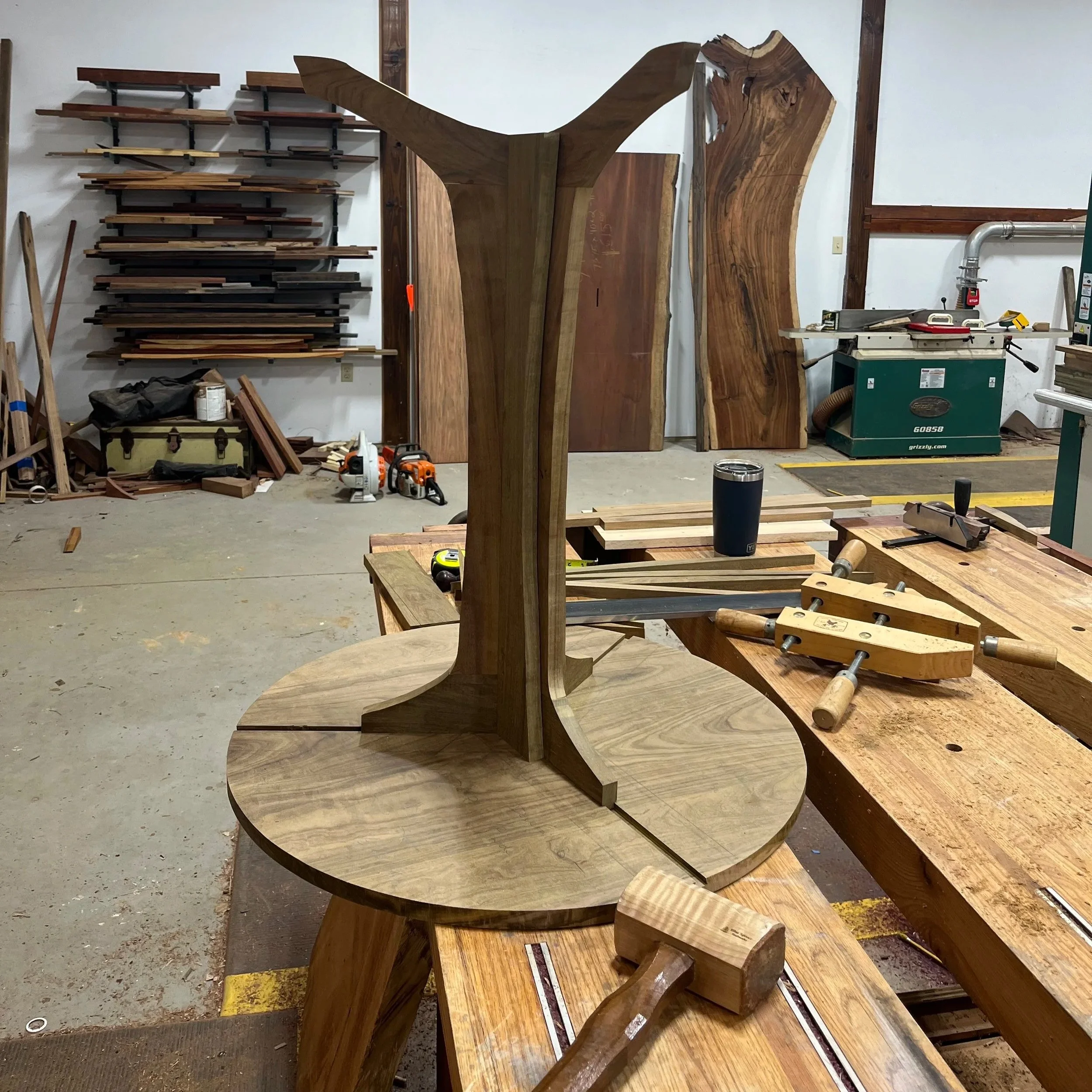
At Bespoke we aim to create furniture from fine materials that will last for generations and yet still meet those modern expectations with the use of more rarely used joinery and design. Taking your preferences and combining it with traditional and innovative techniques to make something just for you.
-
Joinery
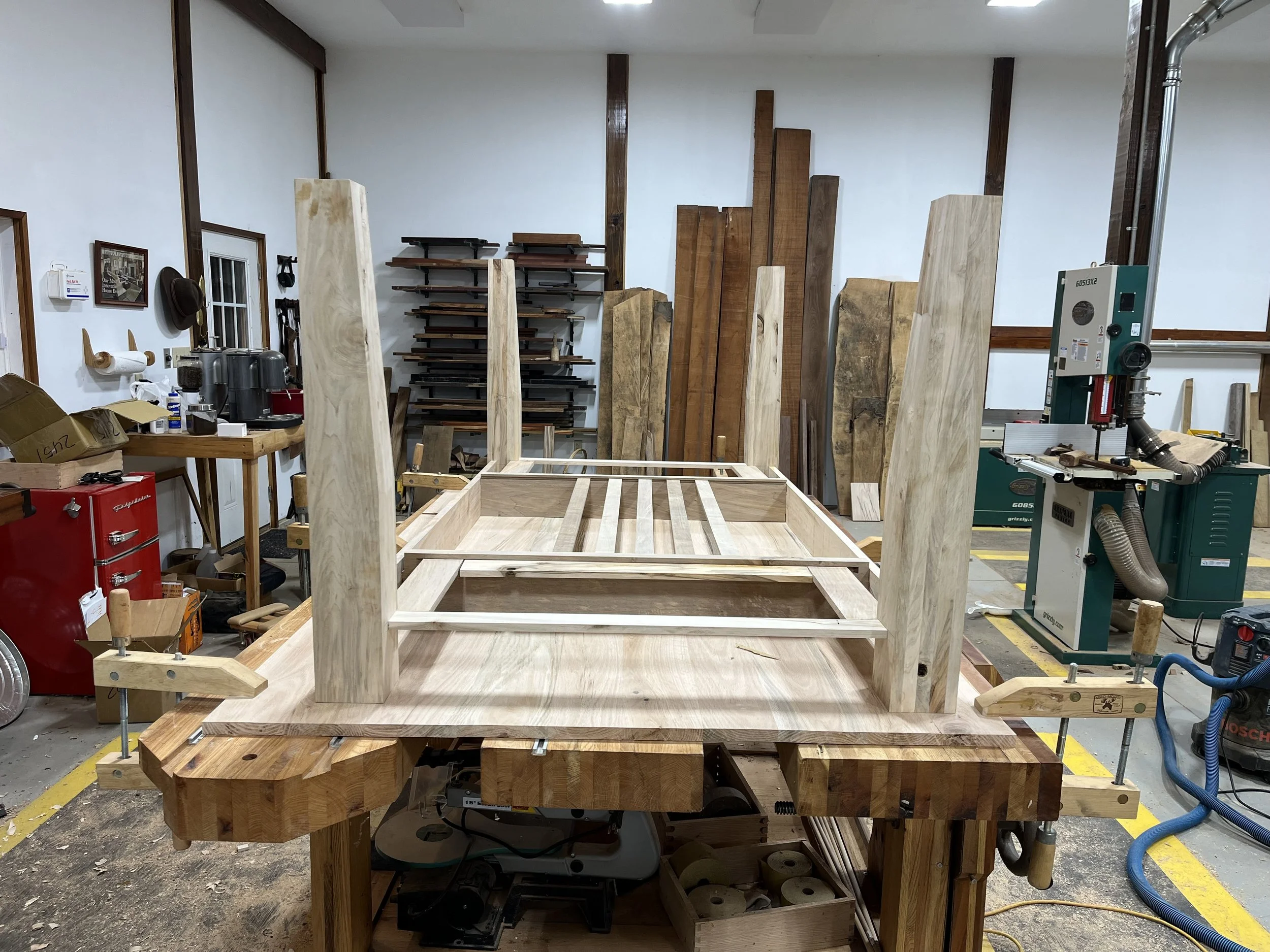
Nearly all cultures have asked the question of how to connect pieces of wood together and joinery has been the traditional answer for many of them. Joinery is still the bedrock of any high quality piece of furniture for if done well it stands the test of time and durability. Today we often use hardware and metal or plastic fasteners for furniture for two simple reasons, first to save time in the creation and secondly the baseline skill involved in the creation of wood joinery.
At Bespoke I use a combination of traditional Western joinery and that of Japanese joinery was well as creations of my own recombining these historical ideas. Clever joinery accounts for the expansion and contraction of wood as well as the forces placed upon that piece of furniture.
While some joinery is done for ease of creation, with a little extra thought and effort those same joints can last for lifetimes. An example would be rocking chairs upon which I am sure some of you at some point in life have had to take an old rocking chair and re-glue the rods into their holes because the glue had let go over the years and the rods came loose. By taking the extra time to create decorative dovetailing (a v-shaped joint) for those same rods and piecing it together in an interlocking pattern we are able to create that same rocking chair concept but in a fashion where it would not come undone from any amount of rocking or aging of the glue for it is the strength joint itself that holds it together.